
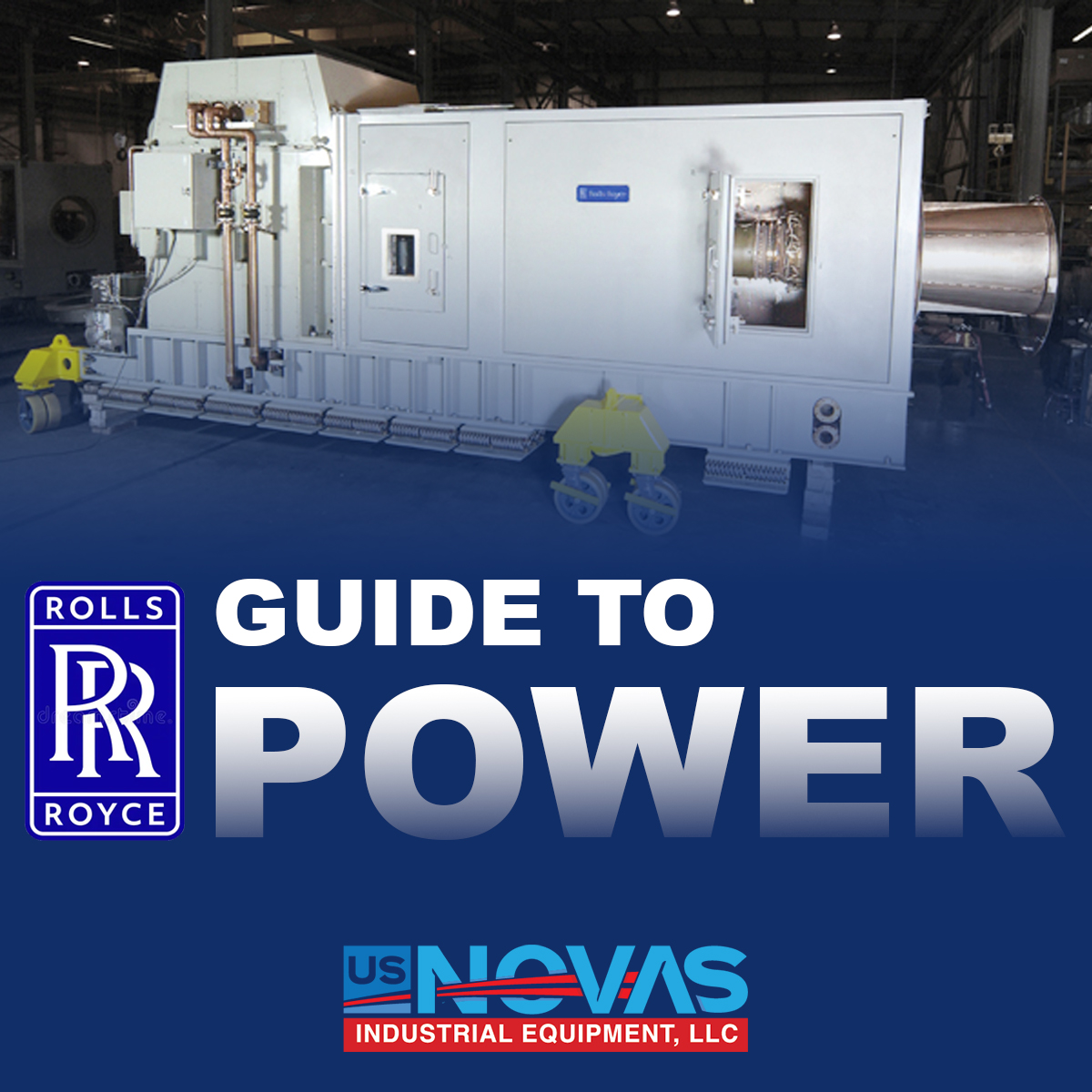
Rolls-Royce Power Systems: Mastery in Aeroderivative and Flexible Power
Rolls-Royce is a world leader in power systems, focusing on high-density, flexible power solutions primarily through its Power Systems division, which uses the mtu product brand, and its legacy in aeroderivative gas turbines. The core philosophy stems from aviation: taking high-performance jet engine technology and adapting it for ground-based and marine applications.
Foundational Engineering: The Aeroderivative Edge
Rolls-Royce’s gas turbine technology is directly derived from its famed aerospace engines (like the RB211 and Trent families), granting them unique operational and size advantages:
- Aeroderivative Design: The industrial gas turbines (such as the Industrial Trent 60 and Industrial RB211) are essentially modified jet engines. This heritage provides exceptional power-to-weight ratios, making them significantly lighter and more compact than traditional heavy-duty industrial turbines of equivalent output.
- High Efficiency in Simple Cycle: Leveraging cutting-edge aerodynamic and material science from its aviation R&D, these units are highly efficient, with the Industrial Trent 60 being one of the most powerful and efficient aeroderivative gas turbines available, offering up to 64 MW in simple-cycle mode.
- Modular Construction: Following the jet engine’s modular architecture, the turbines are designed for ease of maintenance. This facilitates quick engine swaps or module replacement, minimizing downtime and supporting high availability, which is critical for remote or offshore applications.
Versatile Applications and Market Focus
Rolls-Royce gas turbines excel in segments demanding quick response, high efficiency, and compactness:
- Oil & Gas: They are workhorses for natural gas pipeline compression and power generation on offshore platforms and at LNG liquefaction plants, where small footprint and reliability are paramount.
- Peaking Power and Grid Support: Their ability to start rapidly and follow load demand makes them an ideal complement to intermittent renewable energy sources, providing critical grid stability services.
- Marine Propulsion: Rolls-Royce is a dominant supplier of naval propulsion, with the MT30 Marine Gas Turbine being the world’s most power-dense in-service marine gas turbine, used in the most advanced frigates and aircraft carriers.
- Flexible Power Systems (mtu): The mtu gas engine line targets applications like data centers and decentralized power, offering fast-start capability (full output in as little as 45 seconds for new models) for emergency and continuous power.
Environmental Focus and Hydrogen Readiness
Rolls-Royce is actively aligning its power systems with global decarbonization efforts through efficiency gains and fuel flexibility:
- Low Emissions Technology: Modern industrial and marine units feature Dry Low Emission (DLE) combustion systems to minimize $\text{NO}_{\text{x}}$ formation without using water injection.
- Hydrogen Readiness (mtu): The Power Systems division has certified its current mtu Series 4000 gas engines as H2-ready, capable of running on a blend up to $25\%$ hydrogen, with development aiming for $100\%$ hydrogen operation in new engines.
- 100% Hydrogen Projects: The first installation of $\text{mtu}$ engines running on $100\%$ hydrogen is planned for the Enerport II lighthouse project in Germany in early 2025, demonstrating commitment to carbon-free power generation and Combined Heat and Power (CHP).
Lifecycle Management and Digitalization
Through its global aftermarket and digital offerings, Rolls-Royce ensures maximum operational uptime and value:
- Comprehensive Service: A worldwide service network provides everything from spare parts and engineered solutions to Long-Term Service Agreements (LTSAs) and maintenance packages tailored to customer needs.
- Digital Solutions: The application of digital tools and services supports remote monitoring, predictive maintenance, and optimization, maximizing reliability and extending the operating life of the turbine fleet.
Rolls-Royce’s heritage in aviation continues to deliver a distinct market proposition: highly compact, highly efficient, and flexible power solutions that are essential for critical oil and gas infrastructure, naval fleets, and the rapid deployment needs of a transitioning energy grid.